


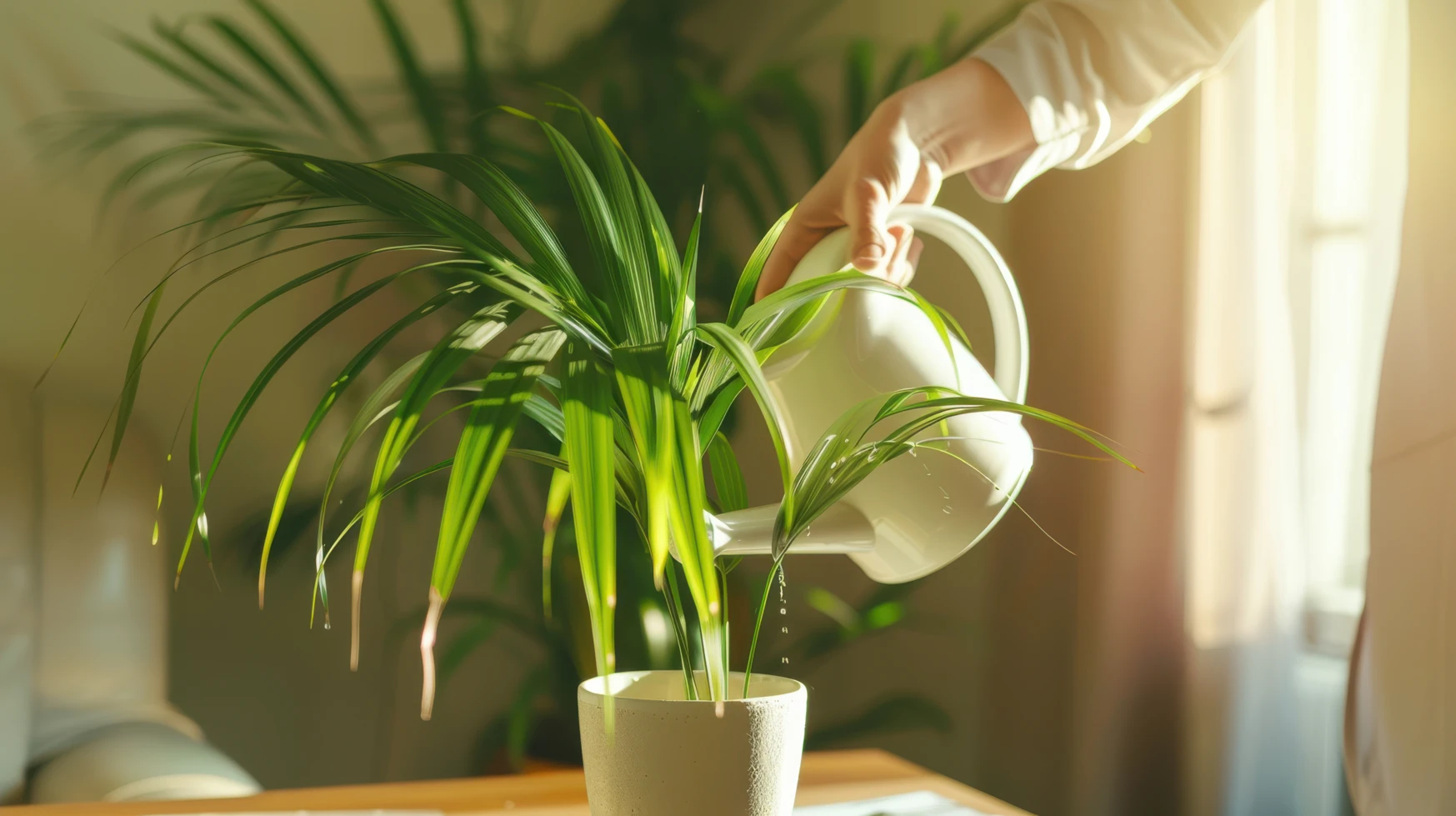
As the rainy winter season sets in, many indoor gardeners face the challenge of keeping their plants happy and healthy. With shorter days, lower light levels, and increased humidity, indoor plants require a different care routine compared to the rest of the year. This guide will walk you through the best practices for watering your indoor plants during the rainy winter season, ensuring they thrive despite the changing conditions.
Understanding Winter Indoor Plant Needs
Changes in Light and Temperature
-
Shorter Days and Reduced Light: Winter brings shorter days and often less natural light. This reduction can slow down plant growth and reduce their water needs.
-
Lower Indoor Temperatures: Cooler temperatures can slow down the rate at which water evaporates from the soil, making overwatering a common mistake during this season.
Increased Humidity and Its Effects
-
High Indoor Humidity: Rainy winter weather typically increases indoor humidity. While this can benefit some plants, it may lead to issues like mold or root rot if your plants are watered improperly.
-
Balancing Water and Humidity: Understanding how to balance water levels and humidity is crucial for maintaining plant health.
How to Water Indoor Plants in Winter
Adjust Your Watering Schedule
-
Check Soil Moisture
-
Moisture Meter or Finger Test: Use a moisture meter or your finger to check the soil’s dampness. If the top inch of soil is dry, it’s time to water.
-
Avoid Set Schedules: Let the soil’s needs guide you instead of following a strict watering schedule.
-
-
Reduce Watering Frequency
-
Decreased Water Needs: Due to lower light levels and cooler temperatures, plants’ water needs decrease. Many indoor plants can go several weeks without water in winter.
-
Caution Against Overwatering: Be cautious not to overwater, as this can lead to root rot. It’s better to under-water than over-water during this season.
-
Ensure Proper Drainage
-
Use Well-Draining Pots
-
Drainage Holes: Ensure that your plant pots have drainage holes to prevent water from pooling at the bottom, which can lead to root rot.
-
Repot if Necessary: If your pots don’t have drainage holes, consider repotting your plants or adding a layer of gravel at the bottom to improve drainage.
-
-
Avoid Saucers Under Pots
-
Monitor Excess Water: Be extra diligent about emptying saucers to prevent water accumulation and potential root problems.
-
Water Quality Matters
-
Use Room Temperature Water
-
Avoid Cold Water: Cold water can shock plants and disrupt their root function. Use room temperature water for indoor plants.
-
Allow Tap Water to Sit: If using tap water, let it sit out for a few hours to allow any chlorine to dissipate.
-
-
Filtered Water
-
For Sensitive Plants: Consider using filtered water for plants sensitive to chemicals, such as orchids or ferns, to reduce the risk of chemical buildup in the soil.
-
Monitor Humidity Levels
-
Use a Humidity Gauge
-
Optimal Humidity Levels: Most indoor plants thrive in humidity levels between 40-60%. A humidity gauge can help you monitor these levels.
-
-
Implement Humidity Control
-
Dehumidifier: Use a dehumidifier if indoor humidity is excessively high.
-
Humidifier or Humidity Tray: Use a humidifier or a humidity tray if your home is too dry.
-
Troubleshooting Common Winter Watering Issues
-
Yellowing Leaves
-
Cause: Yellowing leaves can be a sign of overwatering.
-
Solution: Check soil moisture and ensure proper drainage. Adjust your watering schedule if needed and remove affected leaves to prevent disease.
-
-
Root Rot
-
Cause: Root rot is often caused by overwatering and poor drainage.
-
Solution: Repot your plant into fresh, well-draining soil and cut away damaged roots. Ensure that the new pot has adequate drainage.
-
-
Mold and Mildew
-
Cause: Increased humidity can lead to mold or mildew growth.
-
Solution: Ensure good air circulation around your plants and avoid waterlogging. Clean affected areas with a solution of water and mild soap and improve airflow.
-
Best Practices for Winter Indoor Plant Care
-
Regularly Check Plants
-
Inspect for Stress: Regularly inspect your indoor plants for signs of stress or disease and adjust care as needed.
-
-
Adjust Light Exposure
-
Supplement with Grow Lights: If natural light is limited, consider using grow lights to supplement light needs. Place the lights close to your plants and adjust their intensity and duration.
-
-
Maintain Consistent Temperature
-
Avoid Drafts: Keep indoor temperatures stable and avoid placing plants near drafty windows, heaters, or radiators.
-
-
Use Quality Potting Mix
-
Opt for Quality Mixes: Choose a high-quality potting mix designed for indoor plants. A mix with good aeration and drainage properties supports healthy root growth.
-
Conclusion
Watering indoor plants during the rainy winter season requires a nuanced approach. By adjusting your watering schedule, ensuring proper drainage, using the right water quality, and monitoring humidity levels, you can keep your indoor garden thriving throughout the winter months. Regularly check your plants for signs of stress and make necessary adjustments to their care routine. With these tips, your indoor plants will remain healthy and vibrant, even during the challenging winter season.