


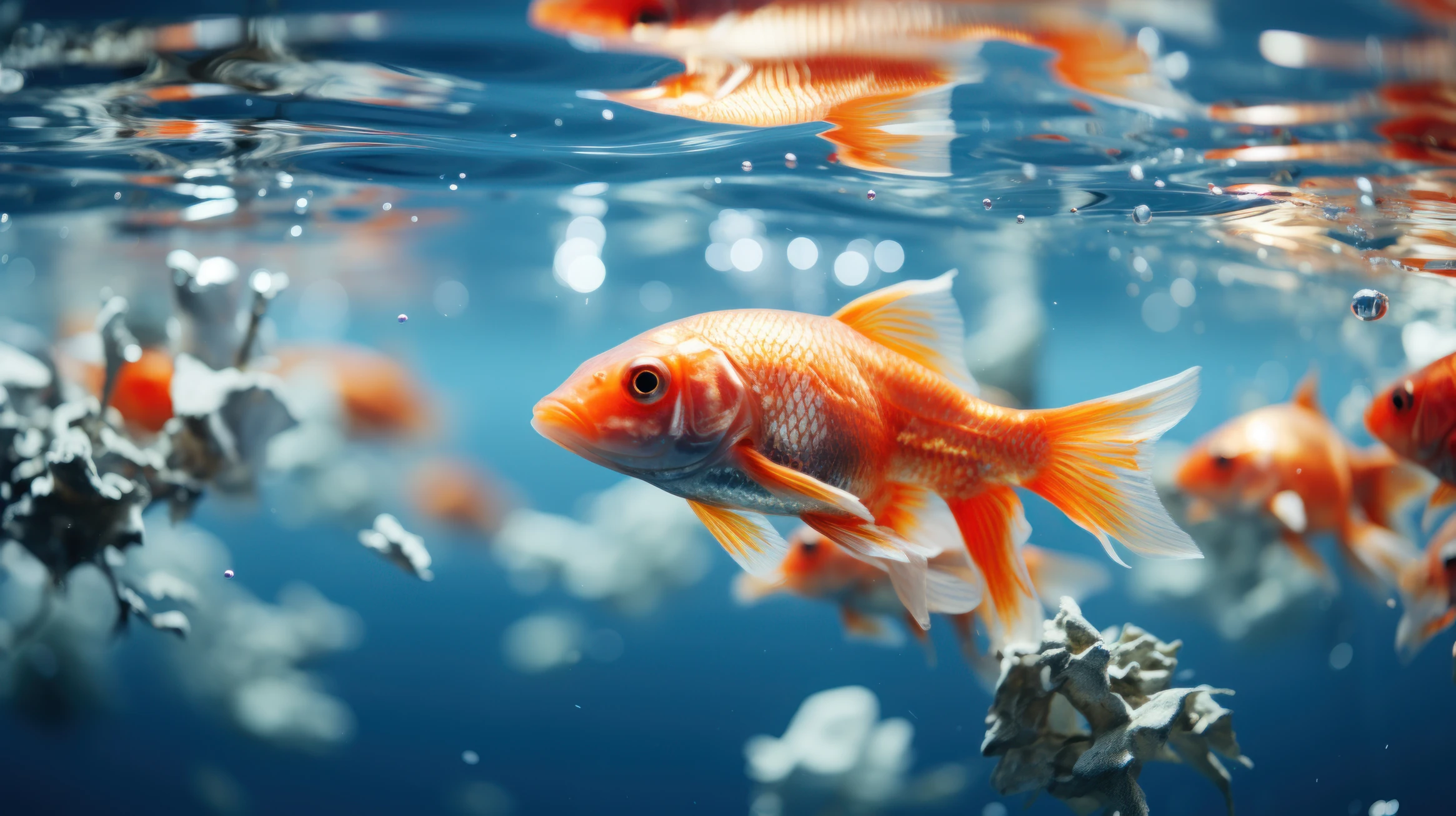
Maintaining a healthy fish tank is more than just feeding your aquatic friends and ensuring the right temperature. One of the most crucial aspects of aquarium care is performing regular water changes. Whether you’re a seasoned fish enthusiast or a beginner, understanding how to do water changes correctly can significantly impact the health and longevity of your aquatic environment. In this comprehensive guide, we’ll walk you through everything you need to know about water changes, ensuring your fish tank remains a vibrant and thriving ecosystem.
Why Water Changes Are Essential for Your Fish Tank
Regular water changes are fundamental to maintaining a balanced and healthy aquarium. Here’s why:
-
Removal of Harmful Toxins: Over time, harmful substances like ammonia, nitrites, and nitrates build up in the tank. These can come from fish waste, uneaten food, and decaying plants. Regular water changes help remove these toxins, reducing stress on your fish and preventing diseases.
-
Stabilization of Water Parameters: Water parameters such as pH, hardness, and temperature can fluctuate. Regular changes help stabilize these parameters, ensuring a consistent and healthy environment for your fish.
-
Improved Water Clarity: Water changes help keep your aquarium water clear by removing organic matter that can cloud the water.
-
Promotes Healthy Growth of Plants: If you have live plants, regular water changes provide essential nutrients and prevent the buildup of algae.
How to Plan Your Water Changes
Frequency and Amount
-
Frequency: For most freshwater tanks, a 10-20% water change weekly is ideal. For saltwater tanks or heavily stocked tanks, you may need to increase this to 20-30% or more.
-
Amount: Aim to change about 10-20% of the water each week. Changing too much water at once can disrupt the biological balance in your tank.
Tools You’ll Need
-
Aquarium Vacuum (Gravel Cleaner): Helps remove debris from the substrate.
-
Water Conditioner: Dechlorinates tap water and removes harmful chemicals.
-
Siphon: Useful for transferring water from the tank to the bucket.
-
Clean Buckets: Dedicated to aquarium use to avoid introducing contaminants.
Step-by-Step Guide to Performing a Water Change
1. Prepare Your Equipment
Before starting, gather all necessary equipment. Ensure your water conditioner is ready, and the new water is at the appropriate temperature for your tank.
2. Turn Off Equipment
Turn off your aquarium filter and heater. This prevents damage and ensures that debris isn’t sucked into the filter during the process.
3. Use the Gravel Vacuum
Insert the gravel vacuum into the substrate and start siphoning. Move the vacuum around to clean the gravel thoroughly, but avoid disturbing plants or decorations. The vacuum will remove debris and some of the old water.
4. Remove the Old Water
Siphon the water into a clean bucket. Be cautious not to siphon out too much water at once. If your tank has live plants or delicate decorations, handle them gently to avoid uprooting.
5. Prepare New Water
While you’re removing the old water, prepare the new water. Fill a clean bucket with tap water, and add a water conditioner to remove chlorine and other chemicals. Ensure the water temperature matches your tank’s temperature to avoid shocking your fish.
6. Add New Water
Slowly pour the new water into the tank to avoid disturbing the substrate and decorations. You can use a plate or bowl to help diffuse the flow of water.
7. Restart Equipment
Once you’ve added the new water, turn your filter and heater back on. Ensure that the filter is running properly and that the heater is set to the correct temperature.
Tips for Effective Water Changes
-
Test Water Parameters: Regularly test your water parameters (pH, ammonia, nitrites, nitrates) to ensure they are within safe ranges. This will help you adjust the frequency and volume of water changes as needed.
-
Monitor Fish Behavior: Pay attention to your fish after a water change. If they exhibit unusual behavior, check for any changes in water parameters.
-
Avoid Overfeeding: Overfeeding leads to excess waste, which can increase the need for more frequent water changes. Feed your fish only what they can consume in a few minutes.
-
Clean Equipment Regularly: Rinse your vacuum and buckets with water only. Avoid soap or cleaning agents that could leave residues harmful to your fish.
Common Mistakes to Avoid
-
Changing Too Much Water: Large water changes can disrupt the tank’s balance and stress fish. Stick to smaller, more frequent changes.
-
Using Unconditioned Tap Water: Always treat tap water with a water conditioner to remove chlorine and other harmful substances.
-
Neglecting Water Temperature: Adding water at the wrong temperature can shock your fish. Always match the new water temperature to the tank’s temperature.
-
Forgetting to Clean the Vacuum: Regularly clean your gravel vacuum to prevent the buildup of organic matter and bacteria.
The Benefits of Regular Water Changes
Regular water changes are not just about maintaining a clean tank; they’re about creating a thriving environment for your fish. Here are some of the benefits:
-
Healthier Fish: Regular water changes reduce stress and prevent diseases, contributing to the overall well-being of your fish.
-
Better Water Quality: Consistent changes help maintain optimal water parameters, leading to a healthier and more stable aquarium environment.
-
Enhanced Aquascape: Clear water enhances the appearance of your tank and allows you to enjoy the beauty of your fish and plants.
Conclusion
Performing regular water changes is a vital part of fish tank maintenance. By following these guidelines and understanding the importance of water changes, you can ensure a healthy and vibrant environment for your aquatic friends. Remember, a well-maintained tank is not only more enjoyable to watch but also provides a better quality of life for your fish. Happy fishkeeping!