


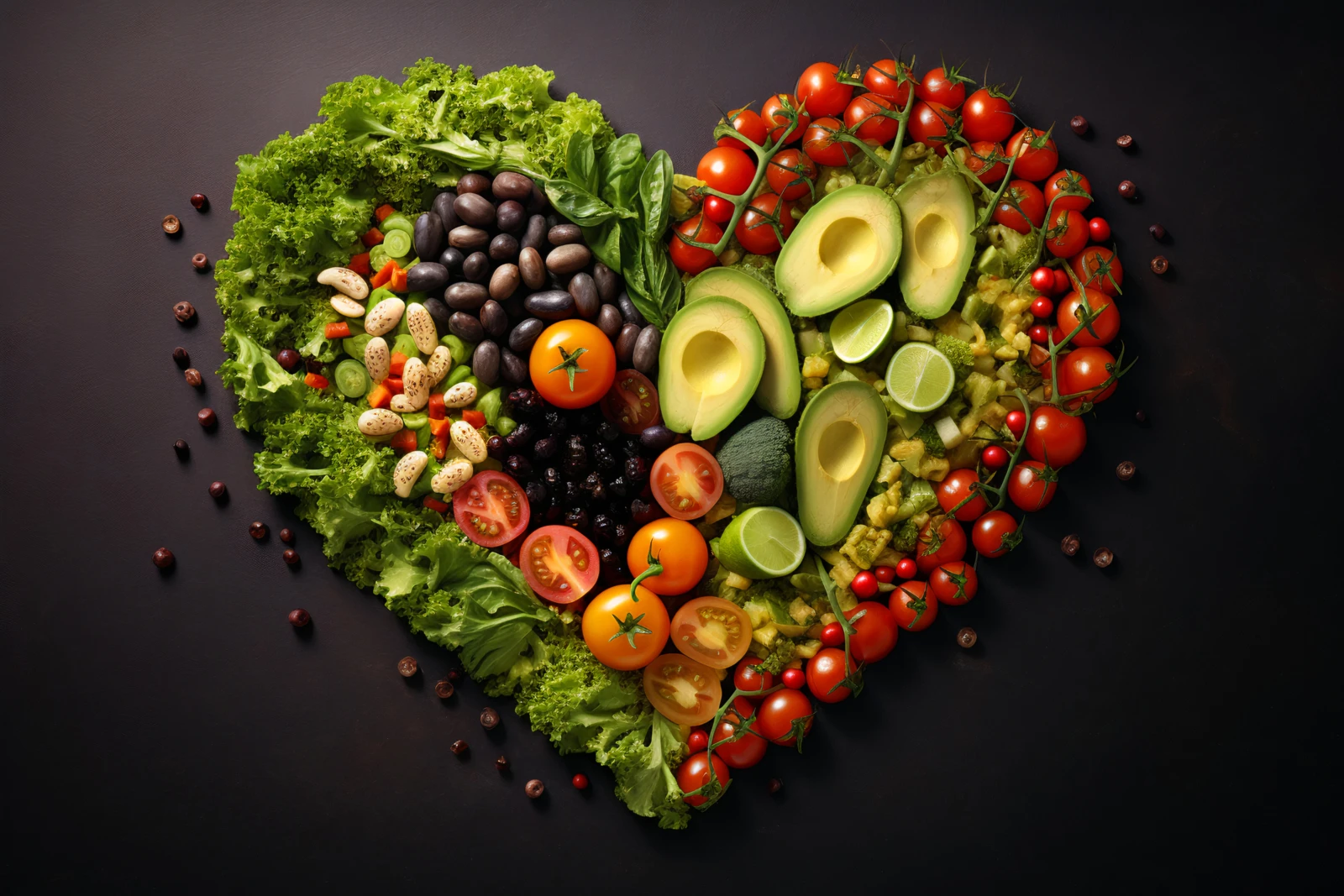
Embarking on a vegetarian diet is a transformative journey that can offer numerous health benefits, environmental advantages, and even culinary delights. Whether you’re motivated by ethical concerns, health issues, or environmental reasons, transitioning to a vegetarian lifestyle can be both rewarding and fulfilling. Here’s a detailed guide to help you make this shift smoothly, along with an exploration of the pros and cons, the food variety you can enjoy, and how delicious vegetarian food can be.
1. Understanding the Vegetarian Diet
Before diving into the transition, it’s important to understand what a vegetarian diet entails. Generally, vegetarians avoid consuming meat, poultry, and fish. However, there are different types of vegetarianism:
-
Lacto-Ovo Vegetarian: Includes dairy products and eggs.
-
Lacto Vegetarian: Includes dairy products but excludes eggs.
-
Ovo Vegetarian: Includes eggs but excludes dairy products.
-
Vegan: Excludes all animal products, including dairy, eggs, and honey.
Each type has its own set of guidelines and nutritional considerations, so it’s essential to choose the one that aligns with your values and health needs.
2. Planning Your Transition
Step 1: Educate Yourself
Start by educating yourself about nutrition and how to ensure you’re getting all essential nutrients. Key nutrients to focus on include:
-
Protein: Found in beans, lentils, tofu, tempeh, nuts, seeds, and soy products.
-
Iron: Found in spinach, lentils, chickpeas, and fortified cereals. Pair with vitamin C-rich foods like oranges or bell peppers to enhance absorption.
-
Vitamin B12: Typically found in animal products, so vegetarians might need fortified foods or supplements.
-
Calcium: Found in dairy products (for lacto-vegetarians), fortified plant milks, leafy greens, and tofu.
-
Omega-3 Fatty Acids: Found in flaxseeds, chia seeds, walnuts, and algae supplements.
Step 2: Start Gradually
Going cold turkey might be challenging. Consider a gradual approach:
-
Week 1-2: Cut out red meat. Focus on adding plant-based meals into your diet.
-
Week 3-4: Eliminate poultry and seafood. Replace these with vegetarian options.
-
Week 5 and Beyond: Transition to a full vegetarian diet. Experiment with different vegetarian recipes and foods.
Step 3: Experiment with Recipes
Explore vegetarian recipes to find meals you enjoy. Try dishes from different cuisines, as many cultures have a rich array of vegetarian options. Consider:
-
Indian Cuisine: Rich in legumes and spices. Dishes like dal, chana masala, and vegetable curries are both hearty and flavourful.
-
Mediterranean Cuisine: Offers dishes like hummus, tabbouleh, and stuffed grape leaves.
-
Asian Cuisine: Includes tofu stir-fries, vegetable sushi, and noodle dishes with a variety of vegetables.
Step 4: Plan Balanced Meals
Ensure each meal includes a balance of protein, carbs, and healthy fats. For example, a meal might consist of a quinoa salad with black beans, avocado, and a variety of colourful vegetables.
3. Pros of a Vegetarian Diet
Health Benefits
-
Reduced Risk of Chronic Diseases: Vegetarian diets are linked to lower risks of heart disease, high blood pressure, type 2 diabetes, and certain cancers.
-
Weight Management: Many vegetarian diets are lower in calories and fat, which can aid in weight management.
-
Improved Digestion: High-fiber foods like fruits, vegetables, and whole grains improve digestion and prevent constipation.
Environmental Impact
-
Reduced Carbon Footprint: Producing plant-based foods generally requires fewer resources and results in lower greenhouse gas emissions compared to meat production.
-
Conservation of Resources: Vegetarian diets use less water and land compared to meat-based diets.
Ethical Considerations
-
Animal Welfare: Avoiding meat reduces the demand for factory farming and helps in preventing animal suffering.
4. Cons of a Vegetarian Diet
Nutritional Challenges
-
Protein Deficiency: If not properly planned, a vegetarian diet can lack adequate protein. This can be managed by incorporating a variety of protein-rich plant foods.
-
B12 Deficiency: Vitamin B12 is not naturally found in plant foods, so supplementation or fortified foods are necessary.
-
Potential for Imbalance: Without careful planning, it’s easy to end up with a diet high in processed foods and low in essential nutrients.
Social and Lifestyle Adjustments
-
Social Situations: Navigating social gatherings or eating out can be challenging. However, many restaurants now offer vegetarian options, and you can always ask for custom modifications.
-
Limited Options: In some regions, vegetarian options may be limited, although this is increasingly less common.
5. Exploring Food Variety and Taste
One of the most common misconceptions about vegetarian food is that it’s bland or boring. In reality, vegetarian cuisine offers an incredible variety of flavours and textures. Here’s how you can make your vegetarian meals exciting:
Experiment with Spices and Herbs
Spices and herbs can transform simple vegetables and grains into extraordinary dishes. Try experimenting with cumin, coriander, turmeric, garlic, and fresh herbs like basil and cilantro to enhance the flavour profile of your meals.
Discover Plant-Based Alternatives
Modern plant-based alternatives can mimic the taste and texture of meat. Products like veggie burgers, plant-based sausages, and dairy-free cheeses are not only convenient but can also be quite tasty.
Get Creative with Cooking Techniques
Roasting, grilling, and sautéing vegetables can bring out their natural sweetness and enhance their flavours. Don’t be afraid to try new cooking techniques or combine different methods to discover what you like best.
Explore Global Cuisines
Many cultures have rich vegetarian traditions. From the hearty vegetable stews of Eastern Europe to the vibrant and spicy dishes of Southeast Asia, exploring global cuisines can provide endless inspiration and variety.
Conclusion
Transitioning to a vegetarian diet can be a rewarding experience with proper planning and an adventurous spirit. By understanding the nutritional needs, starting gradually, and exploring diverse recipes, you can create a balanced and enjoyable vegetarian lifestyle. Embrace the variety of plant-based foods and the delicious possibilities they offer. With an open mind and a bit of experimentation, you’ll find that vegetarian meals can be both nutritious and incredibly flavourful.