


In the fast-evolving world of technology, storage solutions are no exception. With the advent of solid-state drives (SSDs), NVMe drives, and other advanced storage technologies, you might wonder if using a traditional hard disk drive (HDD) is still a viable option in 2024.
This article explores the relevance of HDDs today, compares them to SSDs, and examines how NVMe drives stack up against SSDs to help you make an informed decision.
Understanding HDDs, SSDs, and NVMe Drives
What Is an HDD?
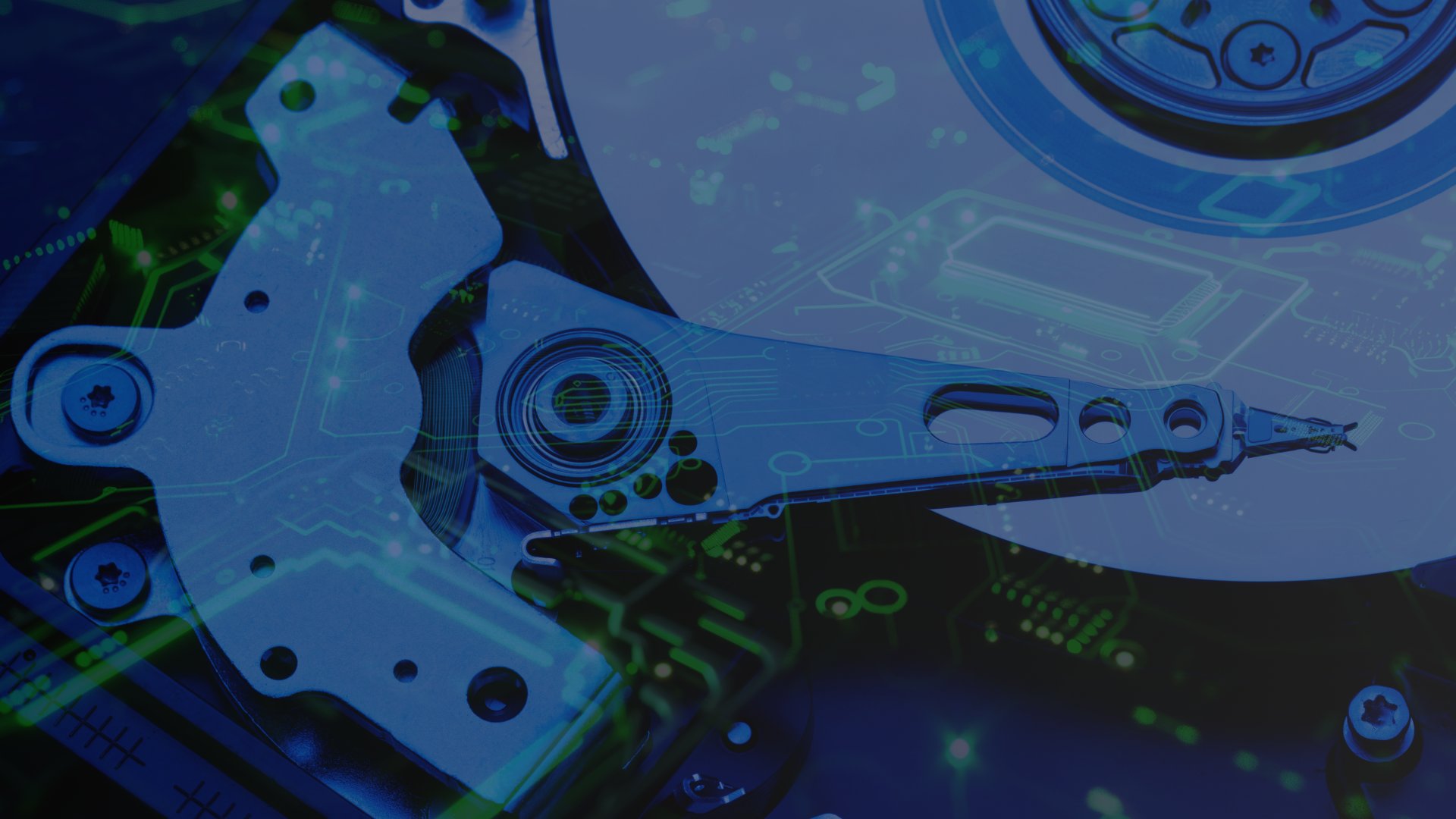
A hard disk drive (HDD) is a traditional storage device that uses spinning magnetic disks to read and write data. The technology has been around for decades and is known for its large storage capacities at relatively low costs.
What Is an SSD?
A solid-state drive (SSD) uses flash memory to store data. Unlike HDDs, SSDs have no moving parts, which makes them faster and more durable. SSDs have become increasingly popular due to their superior performance and reliability.
What Is NVMe?
Non-Volatile Memory Express (NVMe) is a protocol designed for SSDs to maximize their speed and performance. NVMe drives connect via the PCIe (Peripheral Component Interconnect Express) interface, offering faster data transfer rates compared to traditional SATA-based SSDs.
Comparing HDDs, SSDs, and NVMe Drives
Performance
-
HDDs: HDDs are the slowest among the three due to their mechanical nature. They offer adequate performance for tasks that don’t require high-speed data access.
-
SSDs: SSDs are much faster than HDDs. They provide quicker boot times, faster file transfers, and improved overall system performance.
-
NVMe Drives: NVMe drives are the fastest storage option currently available. They leverage the PCIe interface to deliver superior read/write speeds and lower latency compared to SATA SSDs. This makes them ideal for high-performance computing tasks, such as gaming, video editing, and large data processing.
Cost
-
HDDs: Generally cheaper per gigabyte, making them a cost-effective solution for bulk storage.
-
SSDs: More expensive per gigabyte compared to HDDs, but prices have been decreasing over time.
-
NVMe Drives: Typically more expensive than SATA SSDs due to their advanced technology, but prices are gradually falling as the technology becomes more widespread.
Durability and Reliability
-
HDDs: With moving parts, HDDs are more susceptible to physical damage and wear over time. They are also noisier and generate more heat.
-
SSDs: SSDs are more durable and reliable than HDDs due to the lack of moving parts. They are less prone to mechanical failure and can better withstand shocks.
-
NVMe Drives: NVMe drives share the durability benefits of SSDs, with no moving parts. Their superior speed does not compromise their reliability, making them suitable for demanding applications.
Use Cases for HDDs, SSDs, and NVMe Drives in 2024
-
HDDs: Best suited for high-capacity storage needs at a lower cost. Ideal for backup, archiving, and applications where speed is less critical.
-
SSDs: A good choice for users needing faster performance and improved reliability. Suitable for general computing, gaming, and applications where speed matters but budget constraints are a concern.
-
NVMe Drives: The top choice for users requiring the fastest possible storage performance. Perfect for high-end gaming, professional video editing, and tasks that benefit from ultra-fast data access and transfer speeds.
Conclusion
In 2024, whether an HDD, SSD, or NVMe drive is the best choice depends on your specific needs and use cases. While SSDs and NVMe drives offer superior performance and durability, HDDs continue to be a practical solution for bulk storage and cost-effective backups. NVMe drives, with their cutting-edge speed, are ideal for the most demanding applications.